
Ikema Wetland|Okinawa's Largest Wetland, Migratory Birds & Bird-Watching: Complete Guide
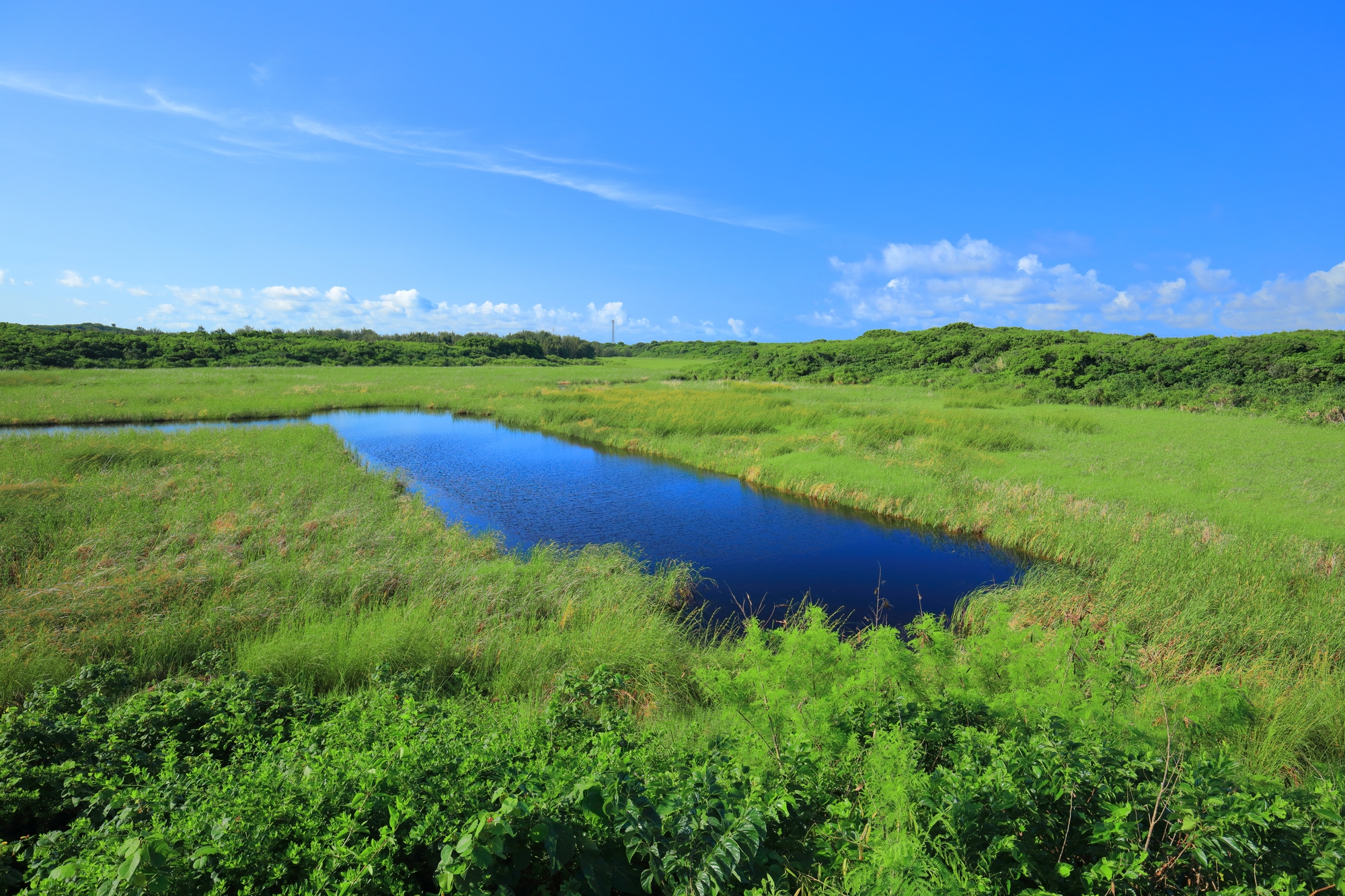
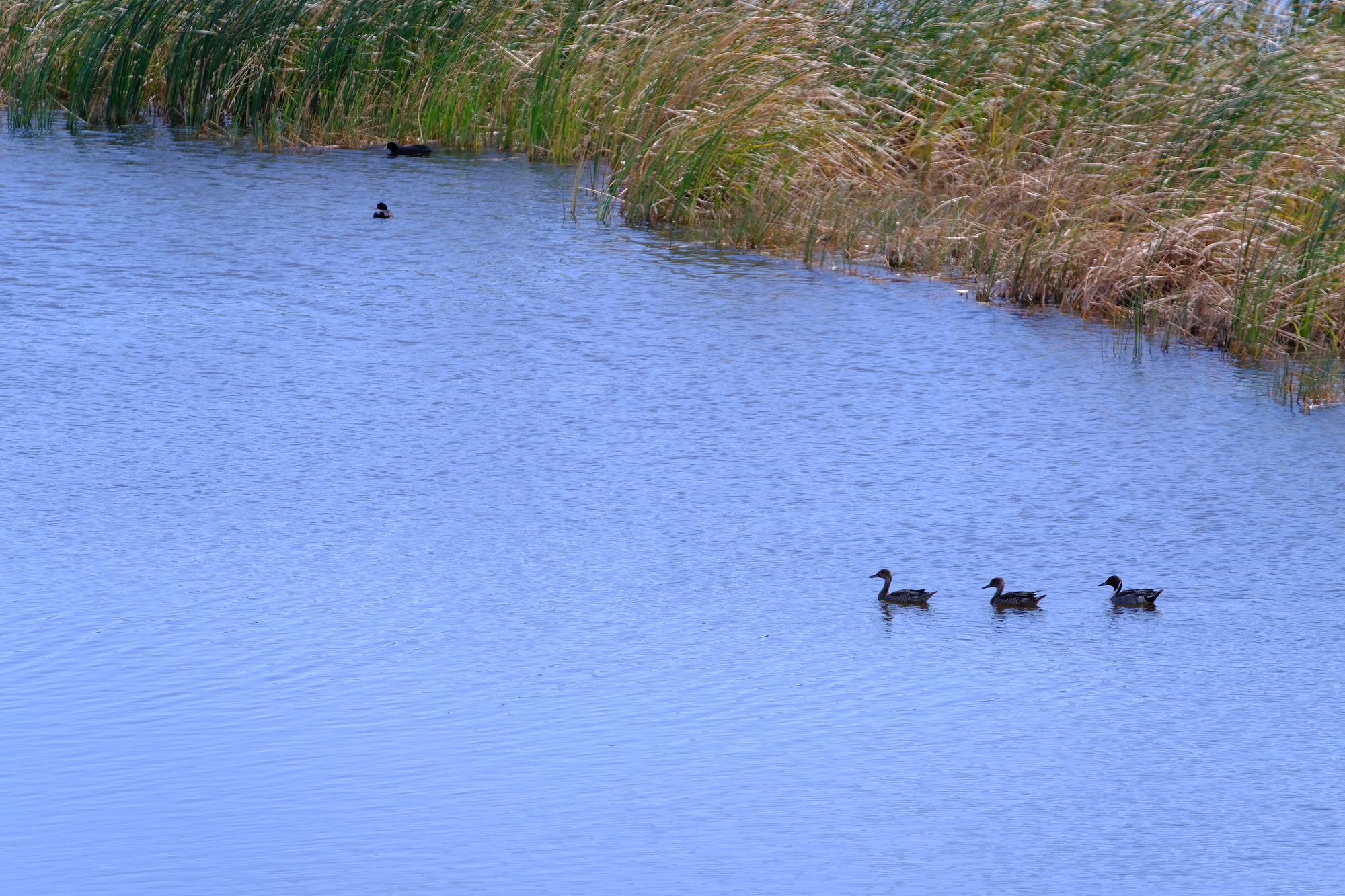
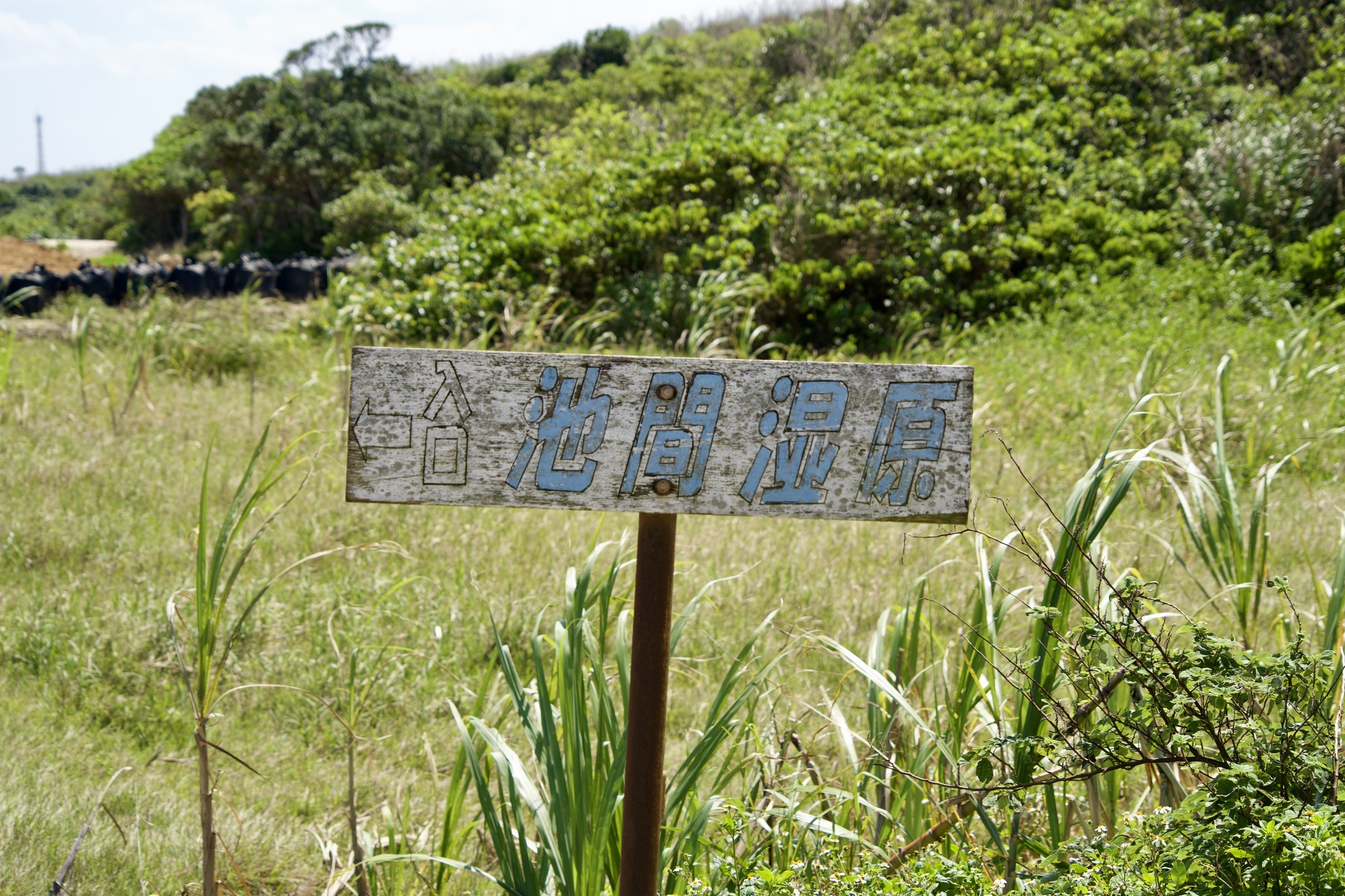
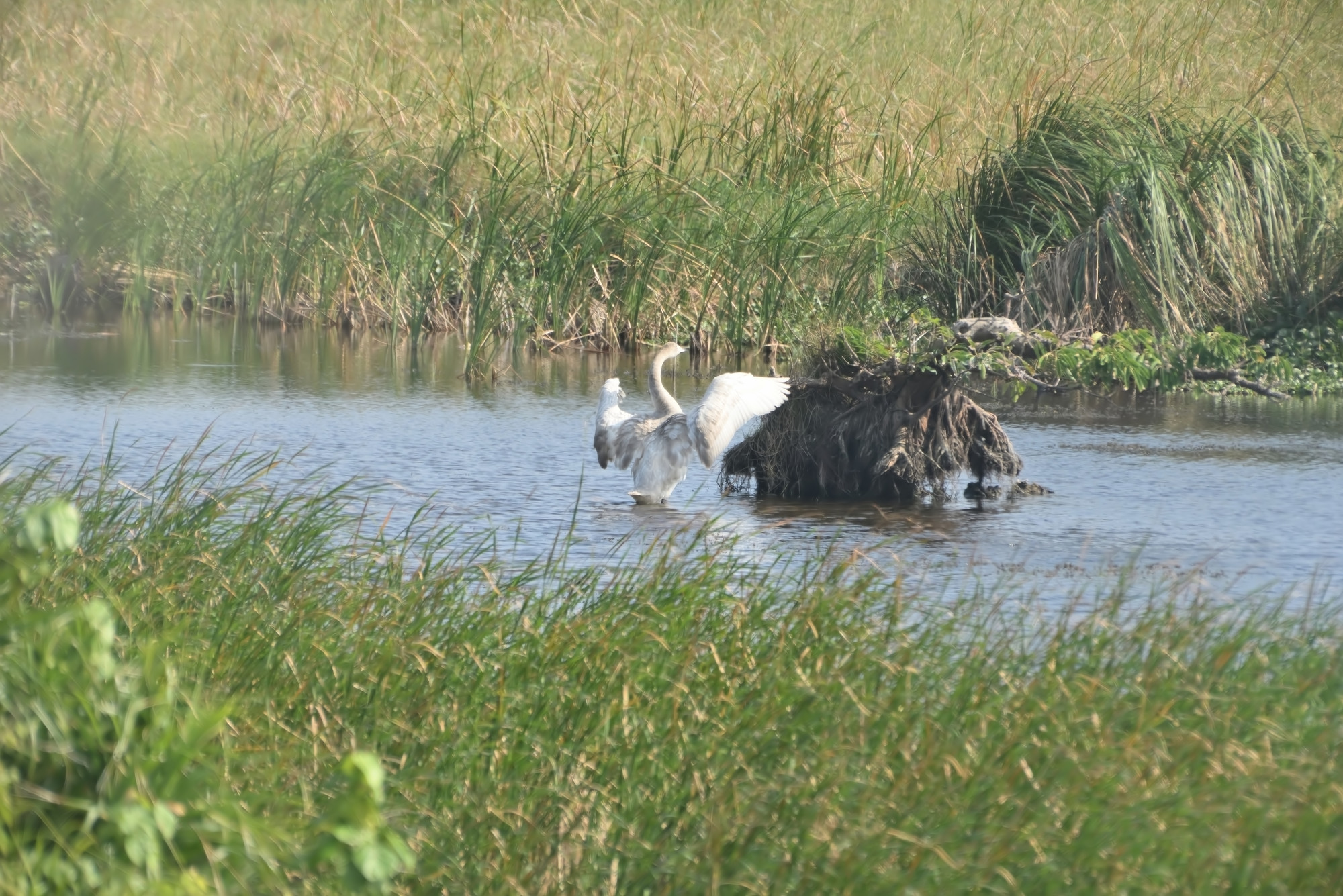
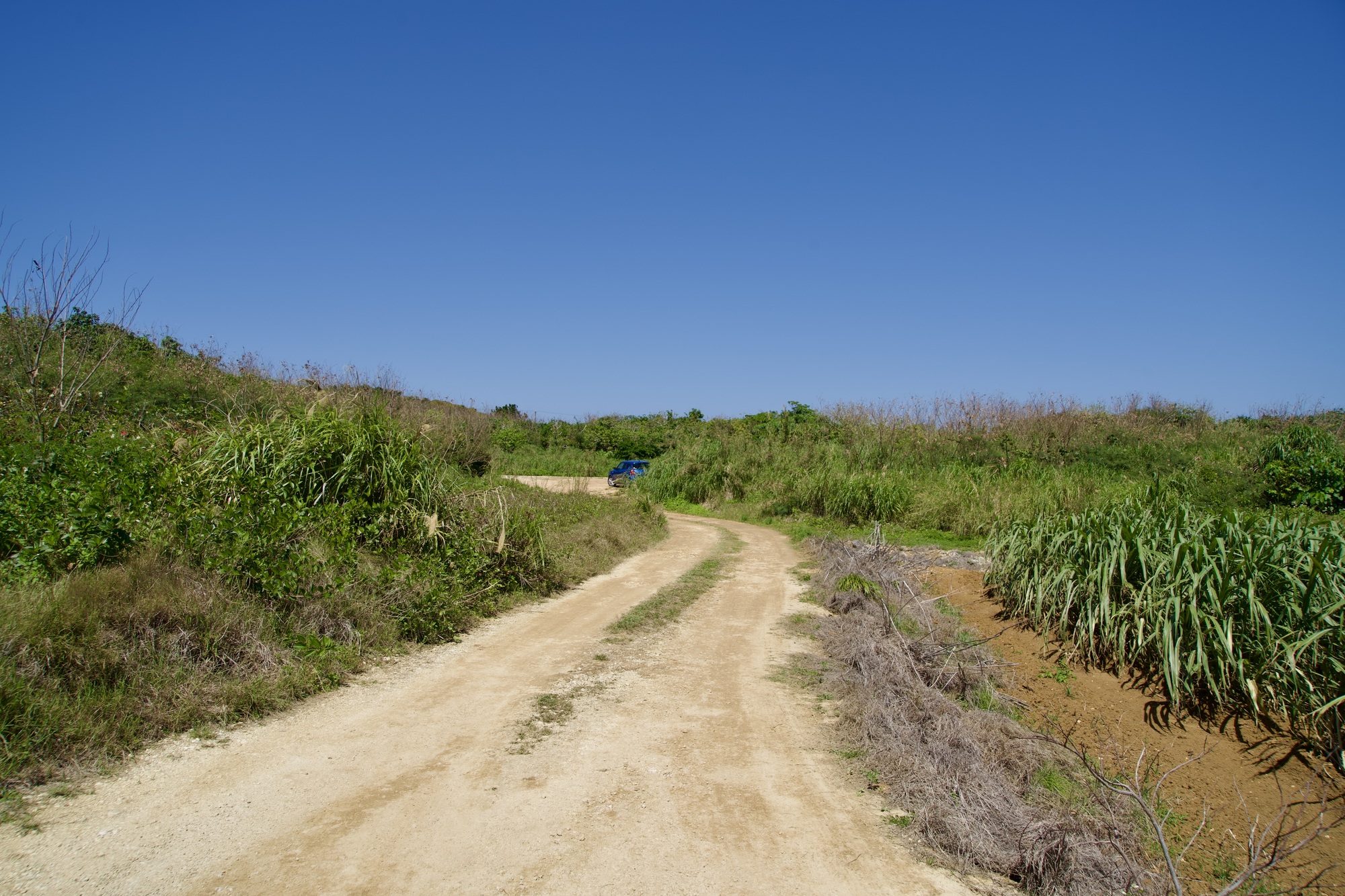
Spreading across the central part of Ikema Island, Ikema Marsh is Okinawa Prefecture’s largest wetland. Where more than 20 species of migratory birds fly in, as a mecca for bird-watching it’s a spot beloved by nature lovers and ornithologists. A rare place where you can enjoy quiet nature not over-developed for tourism.
In this article, we comprehensively cover everything first-time visitors want to know about Ikema Marsh — from the species of migratory birds, bird-watching tips, observation points, and parking. We’ll also introduce points for enjoying contact with nature.
Basic Information on Ikema Marsh
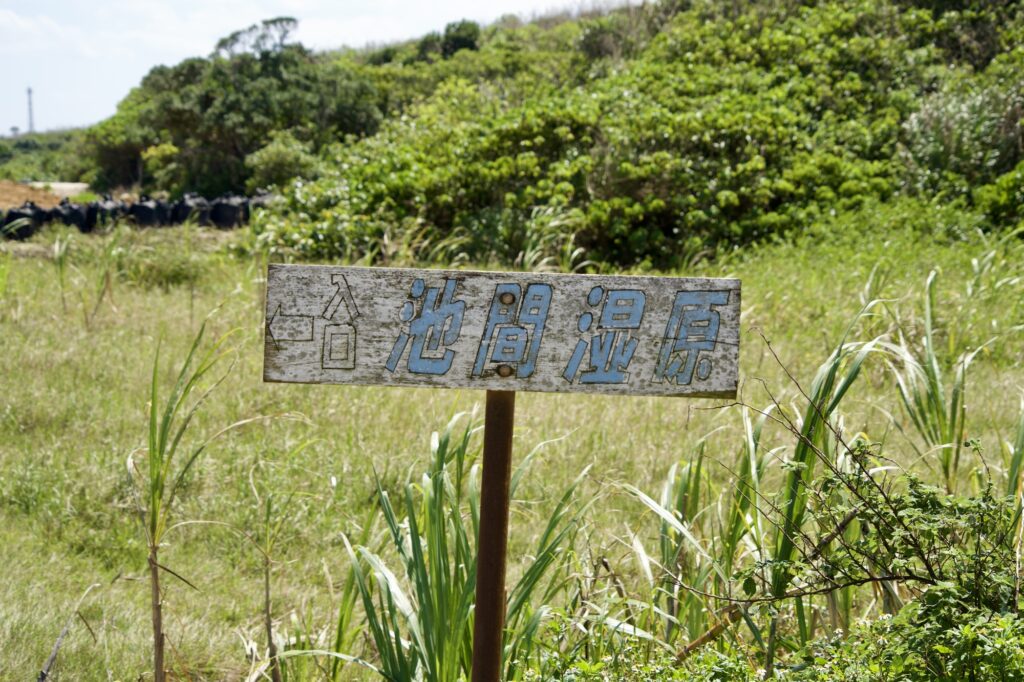
| Item | Details |
|---|---|
| Location | Maezato-Ikema, Hirara, Miyakojima City, Okinawa |
| Area | About 13 ha (Okinawa’s largest wetland) |
| Admission | Free |
| Parking | Free |
| Hours | 24 hours (observation recommended during daytime) |
| Promenade | Yes |
| Time needed | 30–60 min |
The Scale That Earns It the Name ‘Okinawa’s Largest Wetland’
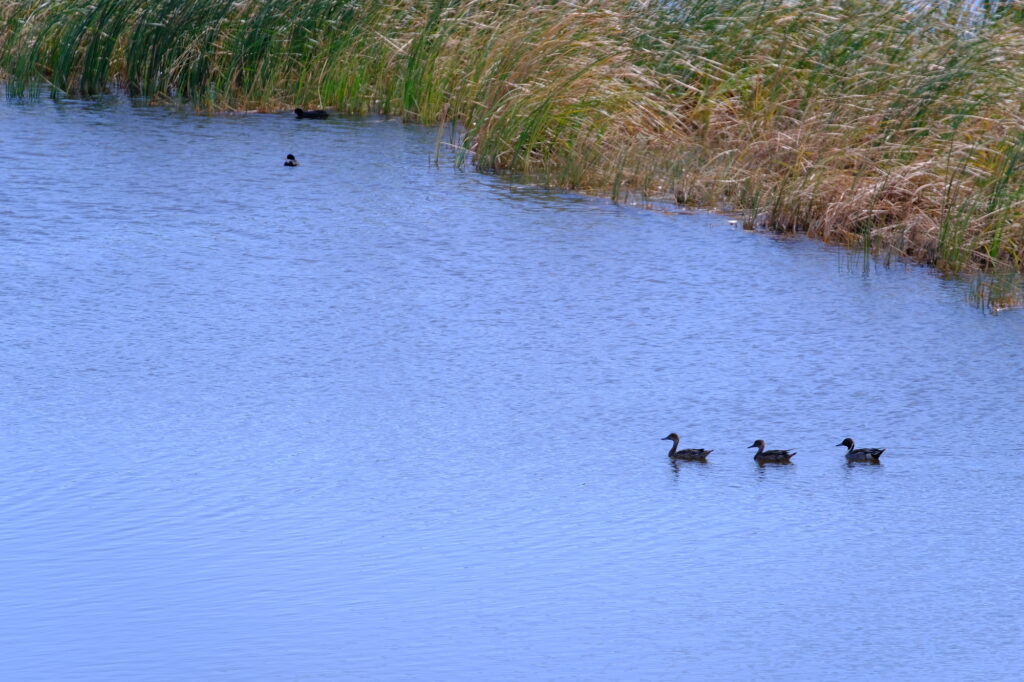
A Vast 13-Hectare Wetland
Ikema Marsh, at about 13 hectares in area, is the largest-scale wetland in Okinawa Prefecture. It’s small compared to mainland wetlands, but as a precious subtropical wetland, it’s a treasure trove of ecosystems.
Originally an Inlet
Ikema Marsh was once an ocean inlet. Crustal movement and sand deposition turned it into land, and it became today’s wetland. The special environment of a brackish-water zone, where seawater and fresh water mix, nurtures a distinctive ecosystem.
A Habitat for Endangered Species
In the wetland live endangered animals and plants. Precious nature is protected here, including the rare Yaeyama aoki (Indian mulberry), Ryukyu whisk fern, and endangered bird species.
Bird-Watching at Ikema Marsh
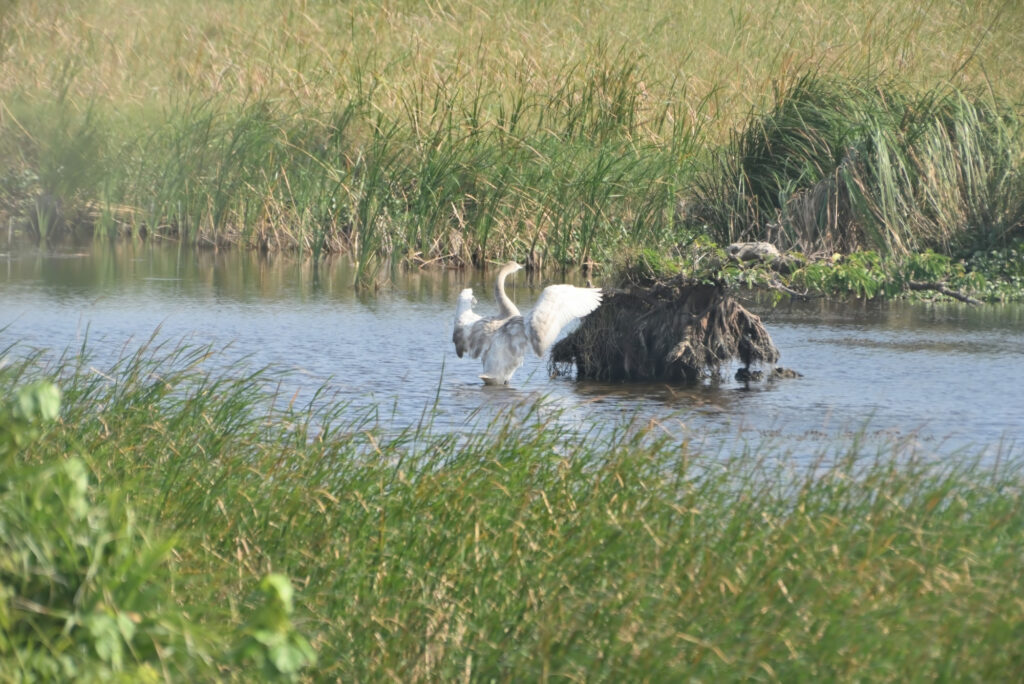
Species of Migratory Birds That Fly In
| Bird species | Arrival period |
|---|---|
| Sashiba (hawk family) | October (autumn migration) |
| Oriental honey buzzard | Spring and autumn (migration) |
| Ducks (mallard, teal, etc.) | November–March (winter) |
| Egrets (little egret, intermediate egret) | Year-round |
| Sandpipers and plovers | Spring and autumn (migration) |
| Little grebe | Year-round |
The Best Season for Bird-Watching
Migratory birds fly in most during October–March. The sashiba migration in October especially is overwhelming, and you can sometimes observe tens of thousands of sashiba filling the sky. It’s a mecca for bird-watching enthusiasts.
Equipment Needed for Observation
- Binoculars (essential for bird observation)
- A field guide (for identifying species)
- A camera (a telephoto lens is ideal)
- A hat and sunscreen
- Insect repellent spray (mosquitoes are abundant in the wetland)
- Easy-to-walk-in shoes (for strolling the promenade)
Ikema Marsh’s Promenade
A Well-Maintained Walking Course
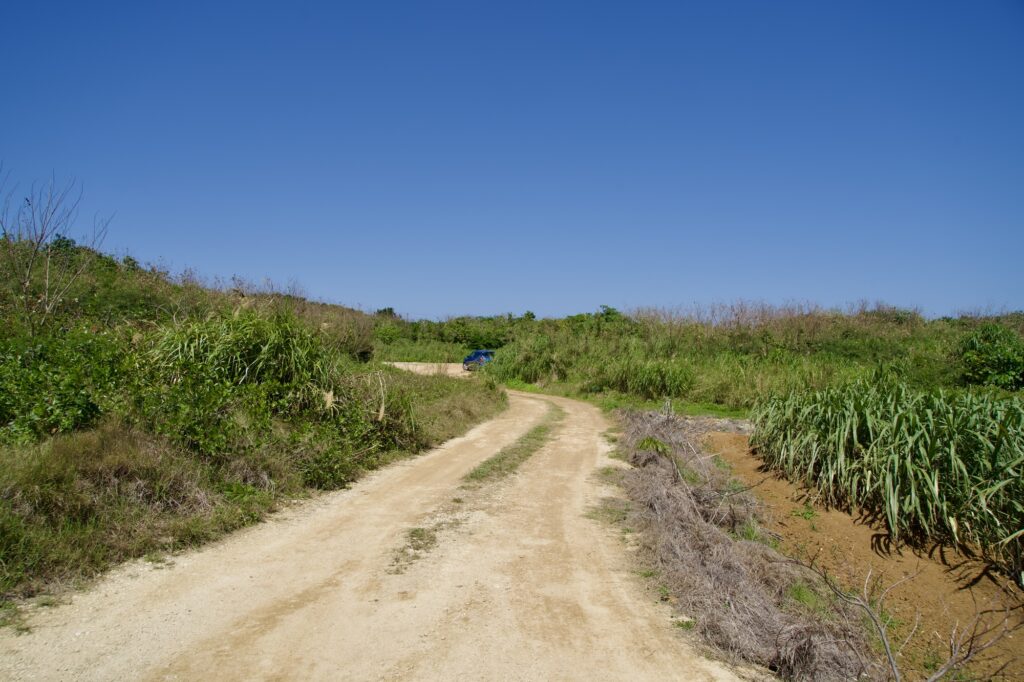
Ikema Marsh has a well-maintained promenade, so you can stroll around the wetland. Boardwalks and observation decks are also installed, letting you observe the wetland up close.
The View from the Observation Deck
From the observation deck, you can survey the whole of the wetland. You can enjoy the drama of nature — waterfowl floating on the surface, egrets searching for food, and more.
Time Needed for the Stroll
A loop of the promenade takes 30–60 minutes. To enjoy bird-watching at leisure, allowing 2–3 hours is reassuring.
Parking and Access for Ikema Marsh
| Parking | Fee | Capacity |
|---|---|---|
| Ikema Marsh parking | Free | 10–15 cars |
Free parking is provided. About 30 minutes from downtown via Ikema Bridge. A location easy to combine with Ikema Island sightseeing.
The Best Timing to Visit Ikema Marsh
Morning (6:00–9:00)
Early morning is the time when birds are most actively active. It’s the golden time for bird-watching. With few tourists, you can observe at a relaxed pace.
Evening (16:00–18:00)
Evening is also a time when birds become active. You can observe birds returning to their roosts. Combining it with the sunset is recommended too.
Migratory Bird Season (October–March)
October–March, when many migratory birds fly in, is the best season. The sashiba migration peaks in mid-to-late October.
Precautions at Ikema Marsh
- Don’t stray from the promenade (to protect the ecosystem)
- Don’t make loud noises (don’t startle the birds)
- Don’t feed the birds (don’t disturb nature’s rhythm)
- Take your trash home (nature conservation)
- Insect-repellent measures essential (mosquitoes are abundant in the wetland)
- Be careful in strong wind (belongings that can blow away)
Tourist Spots Around Ikema Marsh
Ikema Bridge
Crossing Ikema Bridge before or after visiting Ikema Marsh is the standard. You can enjoy the spectacular ‘Ikema Blue.’
Yabiji
From Ikema Island’s fishing port, Yabiji snorkeling tours also depart. You can tour it as a set with Ikema Marsh sightseeing.
Nishi-Hennazaki
There’s also a course of returning to the main-island side of Miyako and watching the sunset at Nishi-Hennazaki.
Ikema Marsh Drive Model Course
Bird-Watching Course (Early Morning Departure)
- 6:00 Depart downtown
- 6:30 Cross Ikema Bridge
- 7:00 Bird-watching at Ikema Marsh (2 hours)
- 9:00 Breakfast at Ikema Island’s fishing port
- 10:00 Drive around Ikema Island
- 12:00 Return to downtown
Full-Day Northern-Area Tour Course
A full-day course touring Ikema Marsh + Ikema Island + Ikema Bridge + Nishi-Hennazaki.
Photogenic Shooting Techniques for Ikema Marsh
Photographing Birds
For photographing birds, a telephoto lens is essential. With a focal length of at least 200 mm, you can photograph even wary birds.
The Whole Wetland
Shoot the whole wetland from the observation deck with a wide-angle lens. In the morning-mist hours, you can capture a fantastical shot.
The Sashiba Migration
During the October sashiba migration, it’s a rare chance to photograph flocks of sashiba filling the sky. Burst mode is recommended.
Frequently Asked Questions About Ikema Marsh (FAQ)
What’s the admission for Ikema Marsh?
It’s free. Parking is free to use too.
When can you see migratory birds?
Mainly October–March. The sashiba migration in October especially is overwhelming, a natural drama famous even in the Miyako Islands.
What equipment do you need for bird-watching?
Binoculars are essential. A field guide, a camera (telephoto lens), and insect-repellent spray are handy to have too.
How long does it take?
About 30–60 minutes for strolling the promenade, or 2–3 hours for serious bird-watching.
Can you enjoy it with kids?
Yes — the promenade is well maintained, so it’s reassuring even with kids. It’s also ideal as a place for nature education.
Is insect repellent essential?
Mosquitoes are abundant in the wetland, so insect-repellent spray is essential. Insect measures are especially important from summer to autumn.
What are the seasonal highlights?
Fresh greenery and migratory birds in spring, egrets in summer, the sashiba migration in autumn, ducks in winter — you can enjoy a different natural drama each season.
Can’t you go without a rental car?
Route buses are limited, so a rental car is essential. Our rental car comparison article is worth referring to as well.
Summary|Ikema Marsh Is Okinawa’s Largest Wetland and a Mecca for Bird-Watching
Ikema Marsh is Okinawa Prefecture’s largest wetland and, with more than 20 species of migratory birds flying in, a mecca for bird-watching. A rare spot where you can enjoy quiet nature not over-developed for tourism.
The sashiba migration in October is overwhelming — a rare experience of observing nature’s drama up close.Ikema Bridge and Yabiji — combine them and you can completely conquer Ikema Island’s charms.a rental car — visit by car and be sure to experience this treasure trove of nature.
レンタカーご予約はこちらから


※営業時間外の貸し出し返却ご希望の方はお電話のお問い合わせお願いします
アクセス
ミライズレンタカー宮古空港店
〒906-0015 沖縄県宮古島市平良久貝844
※上記住所では広域を表示するため詳細は「拡大地図を表示」または「Google Map で見る」をクリックしてください。
ミライズレンタカー下地島空港店
〒906-0504 沖縄県宮古島市伊良部仲地99-3
※上記住所では広域を表示するため詳細は「拡大地図を表示」または「Google Map で見る」をクリックしてください。
